


As we navigate through 2026, the gaming industry continues to redefine entertainment landscapes, driven predominantly by advancements in technology and the creative ingenuity of platforms like ye7. This English game website has quickly become a focal point for gamers seeking immersive experiences and innovative gameplay.
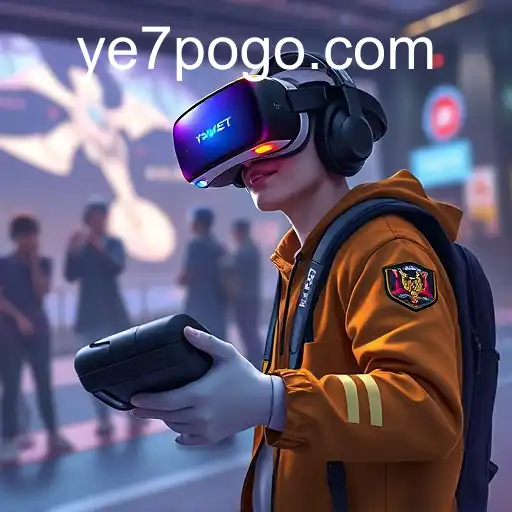
In recent years, the integration of virtual reality (VR) and augmented reality (AR) in gaming has evolved from a novel concept to a cornerstone of modern gaming experiences. Ye7, among other platforms, is at the forefront of utilizing VR to create hyper-realistic environments that allow players to transcend their living room boundaries and step into entirely crafted worlds. This transformation is altering how games are developed, played, and experienced, fostering a more engaged community.
The global gaming community is also seeing a surge in interest regarding the ethical implications of technology use in gaming. As developers like those at ye7 push the boundaries of innovation, questions arise about data privacy and the psychological impacts of prolonged exposure to virtual realities. These conversations are critical as the industry moves forward, ensuring that advancements do not come at the expense of player safety and well-being.
Moreover, gaming has increasingly become a social phenomenon, transcending traditional solitary experiences. Platforms like ye7 are leveraging this trend by integrating social features that allow players to connect, collaborate, and compete with friends and strangers worldwide. These community-centered initiatives are strengthening player networks and enhancing a sense of belonging within the virtual spaces.
Despite the promising horizons, the industry faces challenges, such as ensuring equitable access to gaming technologies. The rise of sophisticated gaming platforms has highlighted the digital divide, prompting developers and policymakers to seek solutions that allow broader participation in these evolving digital economies.
As 2026 progresses, ye7 and similar platforms will continue to navigate these dynamics, shaping the future of digital interaction and entertainment. The gaming industry's ability to adapt and innovate, while addressing emerging challenges, will define its impact on society and its cultural relevance for years to come.